What is Platelet-Rich Plasma (PRP) Therapy?
Platelet-Rich Plasma (PRP) therapy is a regenerative treatment that uses the patient’s own blood. A small amount of blood is collected and processed through a centrifugation system to separate and concentrate platelets, producing plasma with a platelet concentration several times higher than normal.
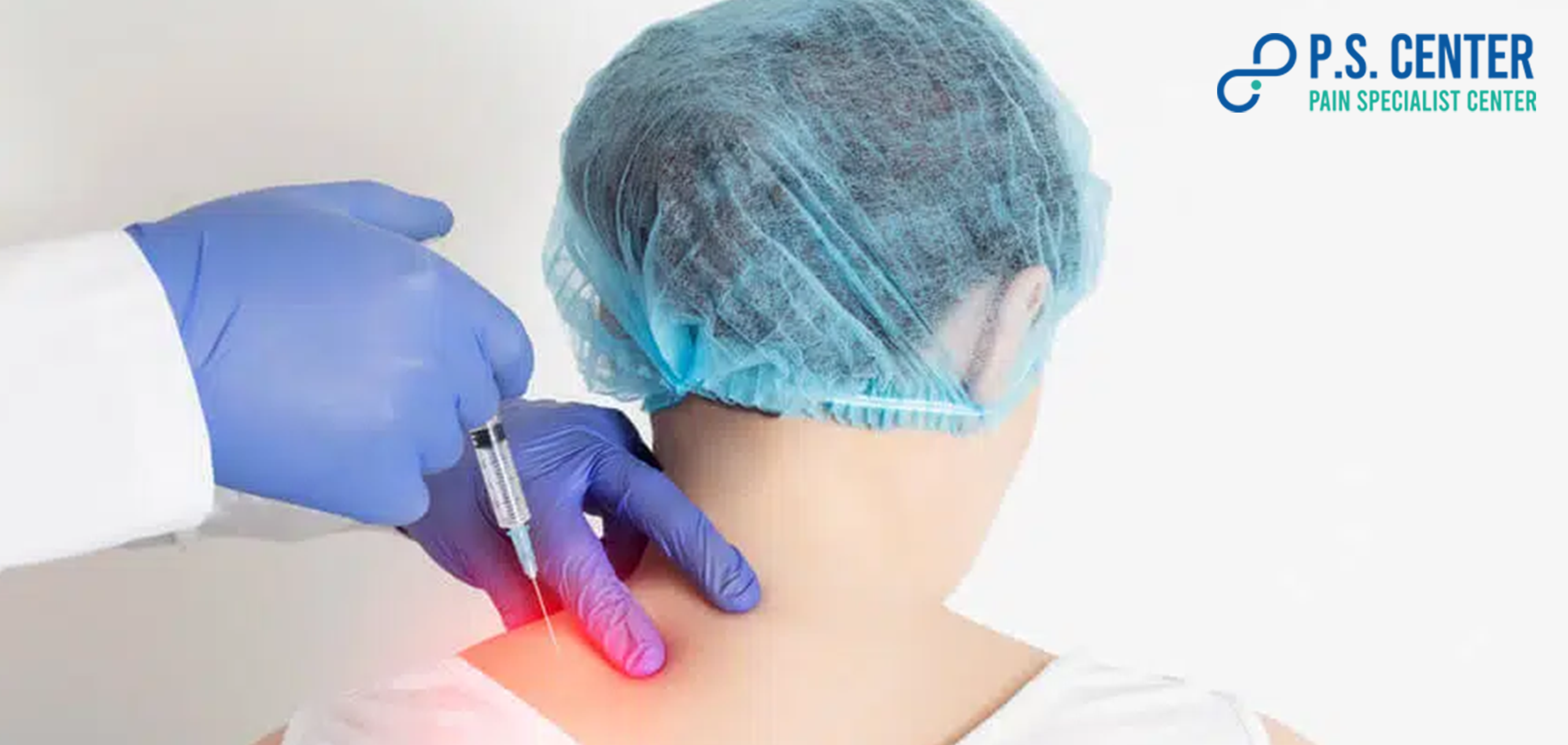
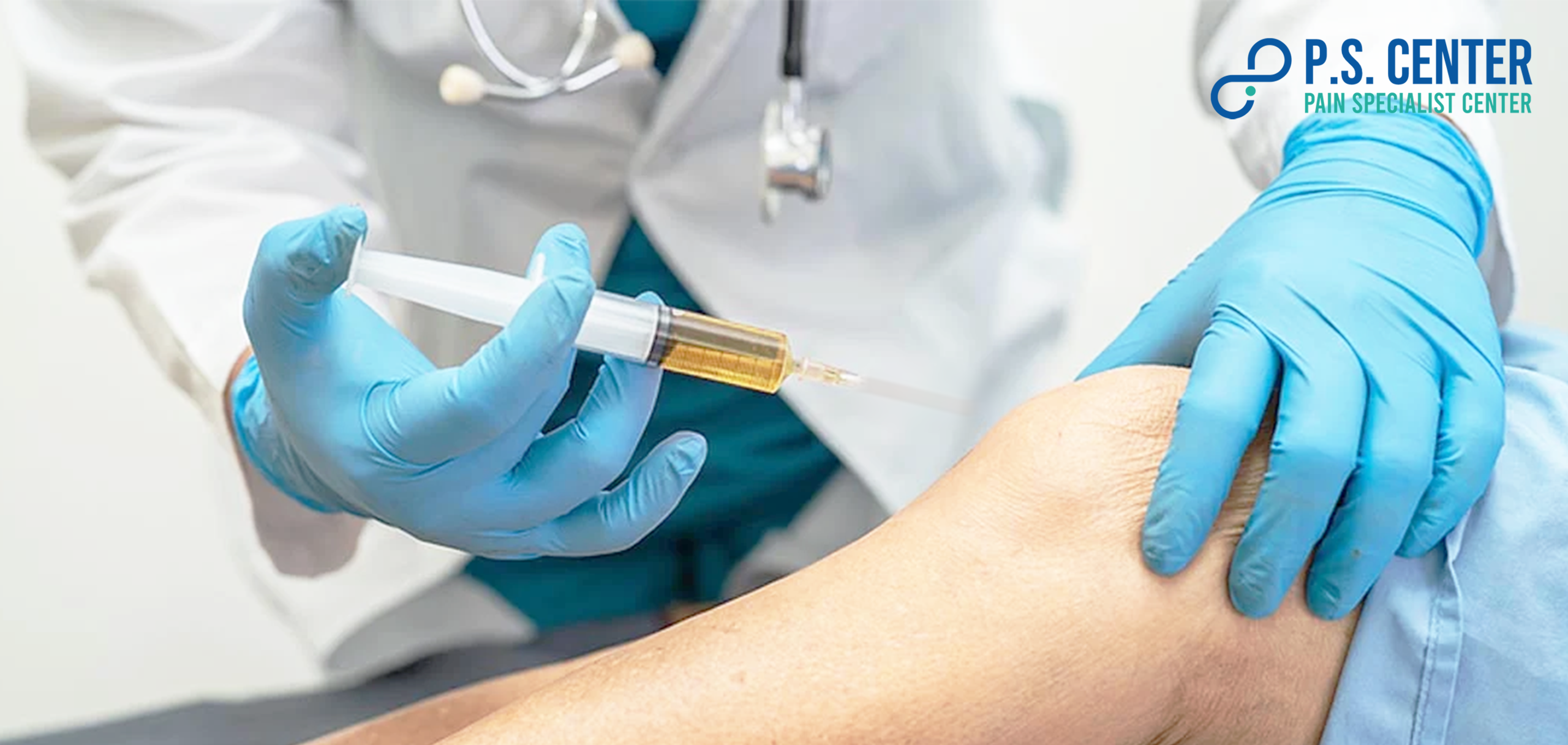
This PRP is then injected directly into the area of injury or degeneration.
Platelets are not only responsible for blood clotting; they are also rich in growth factors and bioactive substances that help stimulate tissue repair, reduce inflammation, and support the body’s natural healing process.
PRP therapy focuses on “healing from within” by utilizing the body’s own regenerative potential. Because it uses the patient’s own blood, the risk of allergic reactions or foreign substance rejection is minimized, allowing for a more natural and safe recovery.
Where Can PRP Be Used?
PRP can be used to treat a wide range of conditions, especially those related to degeneration, inflammation, or chronic injury, including:
- Knee osteoarthritis
- Shoulder, elbow, wrist, and ankle conditions
- Tendon and ligament injuries
- Chronic muscle injuries
- Plantar fasciitis (heel pain)
- Sports-related injuries
Each patient is carefully evaluated by a physician to determine the most appropriate treatment area and approach for optimal results.
Why Is PRP at P.S. Center Different?
Effective PRP treatment is not just about “injecting PRP.”
The outcome depends heavily on the quality of every step — from blood collection and platelet separation to the precision of the injection itself.
At P.S. Center, we prioritize PRP quality at every stage. We use Blood Collecting Tubes, a specialized system designed to produce highly effective, clean, and biologically optimal PRP for tissue regeneration.
Key Advantages of the System at P.S. Center
1. Higher Platelet Concentration (7–9×)
- Platelet count exceeding 1.5 million/µL
An optimal platelet concentration directly influences healing effectiveness. Higher-quality, concentrated platelets enhance tissue repair and regeneration.
2. Minimal Blood Volume, High-Quality PRP
- Blood required: 13.5–15 ml
- PRP obtained: approximately 2–5 ml
This reduces patient discomfort while maintaining an ideal platelet concentration for treatment.
3. High Precision in Blood Layer Separation
- Clear visualization of the Buffy Coat
- Reduced collection errors
This allows physicians to select only the highest-quality PRP for injection.
4. Tornado Technique – Reduced Red Blood Cell (RBC) Contamination
This technique minimizes RBC contamination, which can contribute to post-injection inflammation, resulting in cleaner PRP and improved regenerative outcomes.
5. Adjustable Cell Concentration
- Fine-tuning via adjustable bottom control
Physicians can customize PRP composition based on each patient’s condition and treatment area.
6. Compatible with Standard Centrifuge Systems
- Works with both angle-type and swing-type centrifuges
Ensures stable, consistent results across all cases.
High-quality PRP must be consistent, clean, and tailored to each individual.
At P.S. Center, we use PRP that is carefully prepared to minimize impurities and deliver the most suitable concentration for effective tissue regeneration.
This is why PRP treatment at P.S. Center is not merely short-term pain relief, but a foundation for safe, effective, and long-term recovery.
Who Is PRP Therapy Suitable For?
PRP therapy may be appropriate for individuals who:
- Experience chronic joint or tendon pain
- Have early to moderate joint degeneration
- Suffer from repetitive-use or sports injuries
- Seek non-surgical treatment options
Prefer natural, regenerative healing approaches
Expected Results of PRP Therapy
After PRP injection, the body initiates its natural healing process. Common outcomes include:
- Gradual reduction in pain
- Decreased inflammation
- Improved joint mobility
- Enhanced daily function and quality of life
Results typically develop over several weeks and may vary depending on individual health status and severity of the condition.
Post-PRP Care Guidelines
- Rest the treated area for 1–2 days
- Avoid strenuous activity during the initial recovery period
- Refrain from using NSAIDs (anti-inflammatory medications) as advised by your physician
- Follow the rehabilitation plan recommended by your physician and physical therapist
Proper post-treatment care helps maximize PRP effectiveness and minimizes post-injection irritation.
Why Combine PRP with Personalized Physical Therapy?
To achieve optimal and long-lasting results, P.S. Center recommends combining PRP therapy with Personalized Physical Therapy, designed specifically for each individual.
Personalized Physical Therapy helps to:
- Restore proper muscle and joint balance
- Reduce movement patterns that cause repeated injury
- Improve strength, flexibility, and functional stability
- Enhance the regenerative effects of PRP-treated tissues
PRP acts as a biological trigger for healing, while physical therapy provides structural correction and functional support, allowing the body to recover properly and sustainably.
Summary
Platelet-Rich Plasma (PRP) therapy is an advanced regenerative treatment option for joint, tendon, and muscle pain that harnesses the body’s own healing potential.
At P.S. Center, we are committed to excellence at every stage — from PRP quality and injection precision to comprehensive post-treatment rehabilitation.
When combined with Personalized Physical Therapy, PRP therapy can deliver clearer, longer-lasting results and help you return to an active, confident lifestyle.