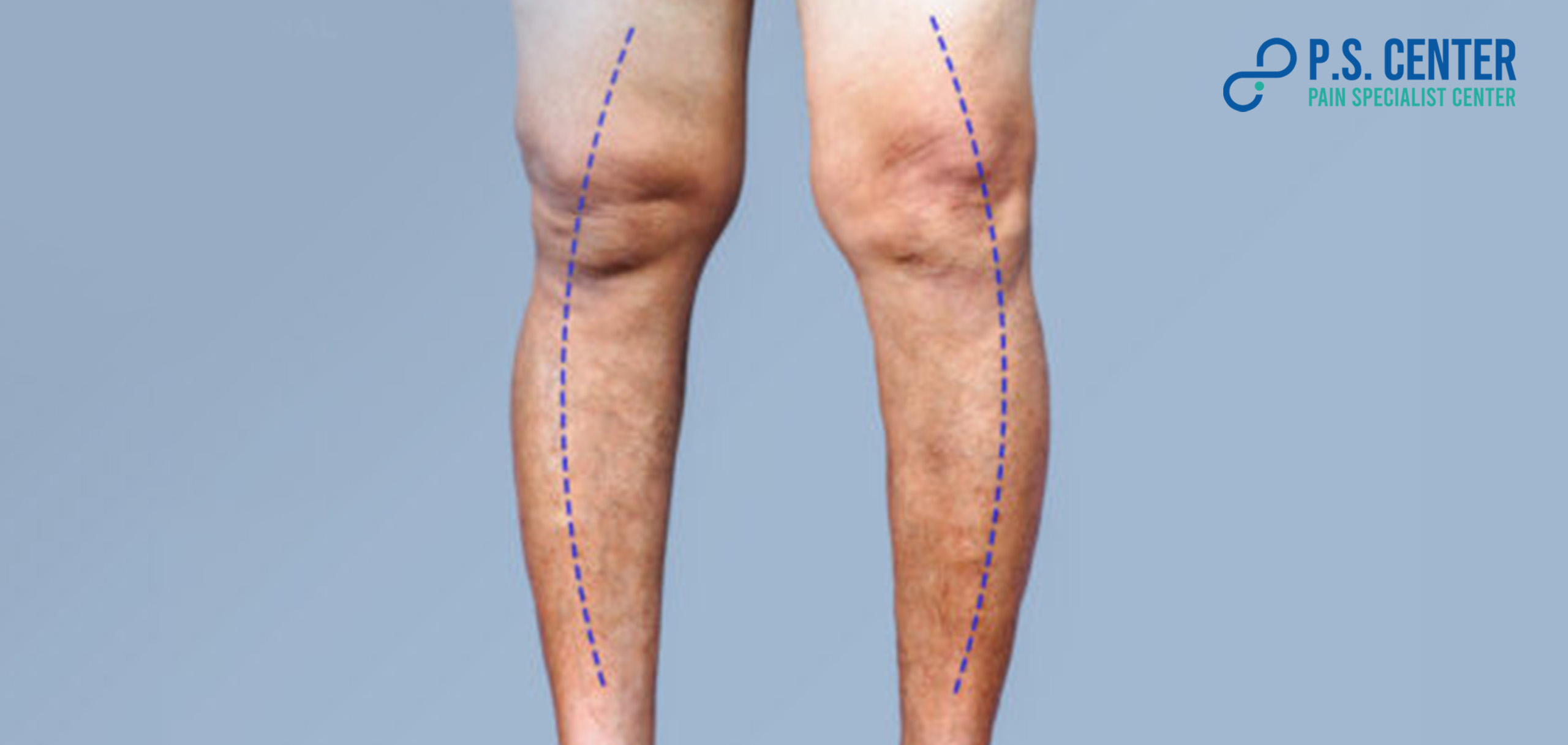
Many people think that bow legs are only a cosmetic concern.
In reality, this condition can significantly impact knee health over time.
When the alignment of the legs is not straight, it causes uneven load distribution across the knee joints.
Over time, this imbalance may lead to problems such as:
- Chronic knee pain
- Abnormal or unbalanced walking patterns
- Accelerated knee degeneration (osteoarthritis)
This is especially common in individuals who regularly stand, walk, or place heavy stress on their knees.
Common Symptoms
People with bow legs may experience:
- Knee pain when standing or walking for long periods
- Tightness along the inner side of the knee
- A feeling of instability in the knee
- Faster wear and tear on the inner knee joint
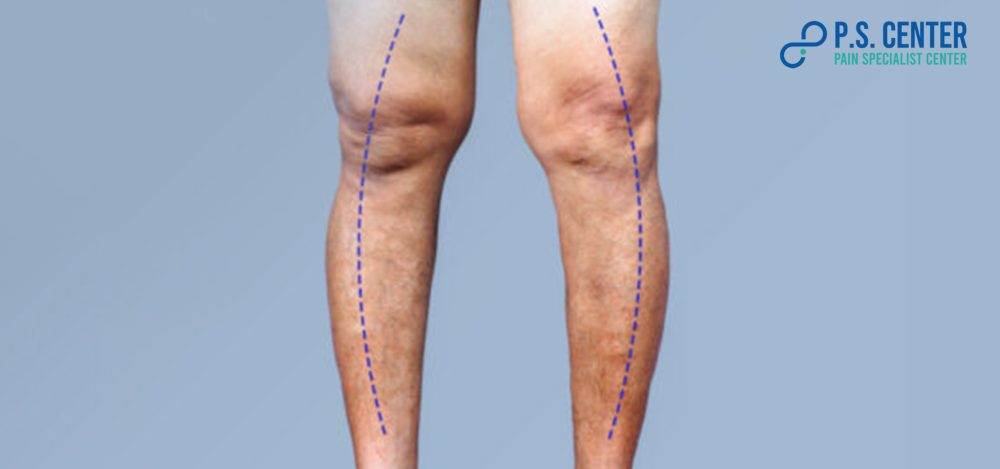
- Visible outward curvature of the legs while walking
If left unaddressed, this condition may increase the risk of early-onset knee osteoarthritis.
Causes and Contributing Factors
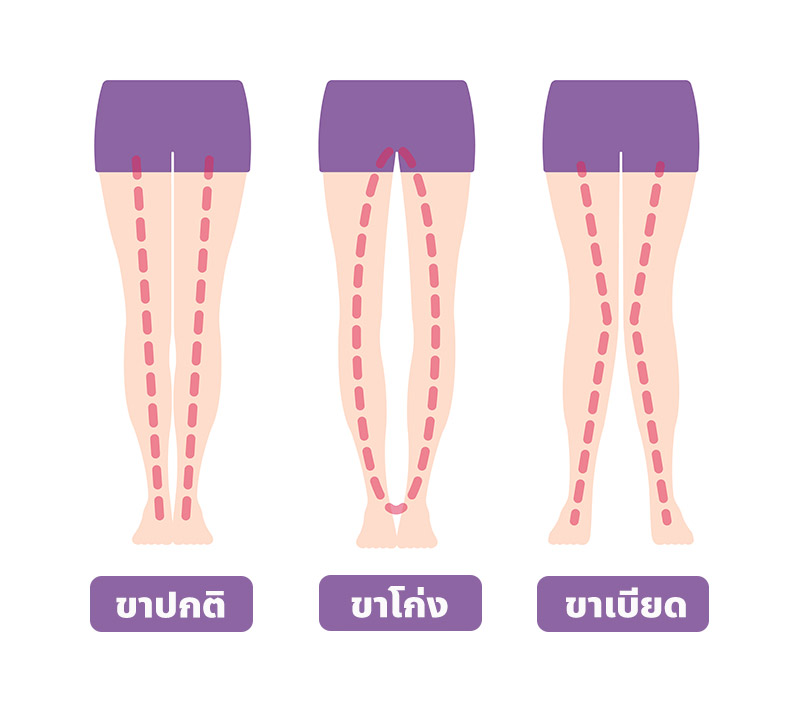
Bow legs can develop from various causes, including:
- Congenital bone structure
- Muscle imbalances around the hips and knees
- Excess body weight increasing joint load
- Poor posture during standing or walking
- Previous knee injuries or trauma
- Age-related joint degeneration
In some cases, bow legs are not caused directly by bone structure, but rather by muscle imbalance and movement dysfunction.
How Physiotherapy Can Help
Although certain structural factors cannot be completely changed, physiotherapy plays a key role in managing bow legs by:
✅ Reducing stress on the knee joints
✅ Improving walking mechanics
✅ Strengthening muscles that support knee alignment
✅ Lowering the risk of future joint degeneration
A physiotherapy program may include:
🔹 Manual Therapy
Releasing tight muscles around the hips, thighs, and knees to restore joint balance
🔹 Therapeutic Exercise
Targeted exercises to improve strength and coordination of the hips, thighs, and core
🔹 Strengthening Exercise
Building muscle strength to better support and control knee alignment
🔹 Balance & Movement Training
Improving stability and movement patterns to reduce joint stress
🔹 Posture & Gait Correction
Adjusting posture, walking patterns, and exercise techniques
Early Care Is Key
Many people only notice bow legs once symptoms begin, such as:
- Frequent knee pain
- Fatigue after walking for long periods
- Knee instability
- Pain on the inner side of the knee during exercise
Starting treatment early can help reduce joint stress and slow down degeneration in the future.
Move Better, Live Better
At P.S. Center, we focus on a comprehensive assessment of body structure, movement patterns, and muscle balance.
Our physiotherapists carefully analyze the root cause of each condition to create a personalized treatment plan — not only to relieve pain, but to restore balanced, efficient, and sustainable movement.