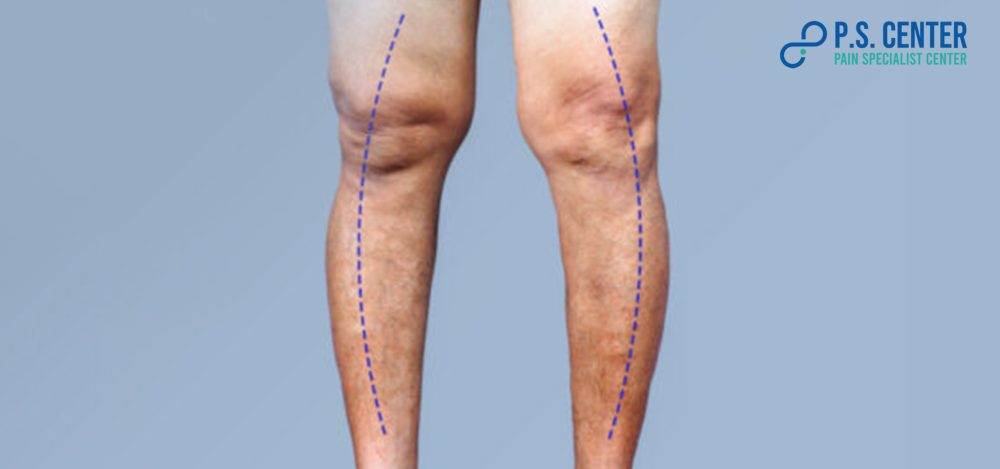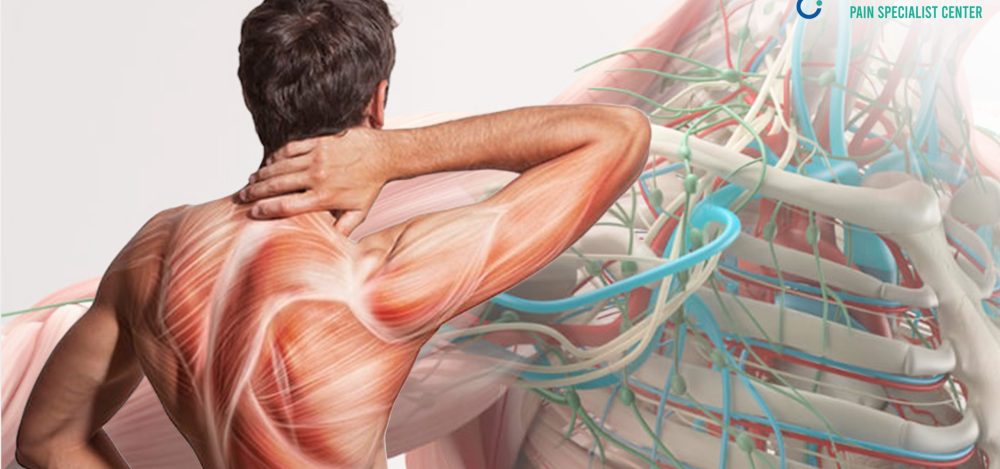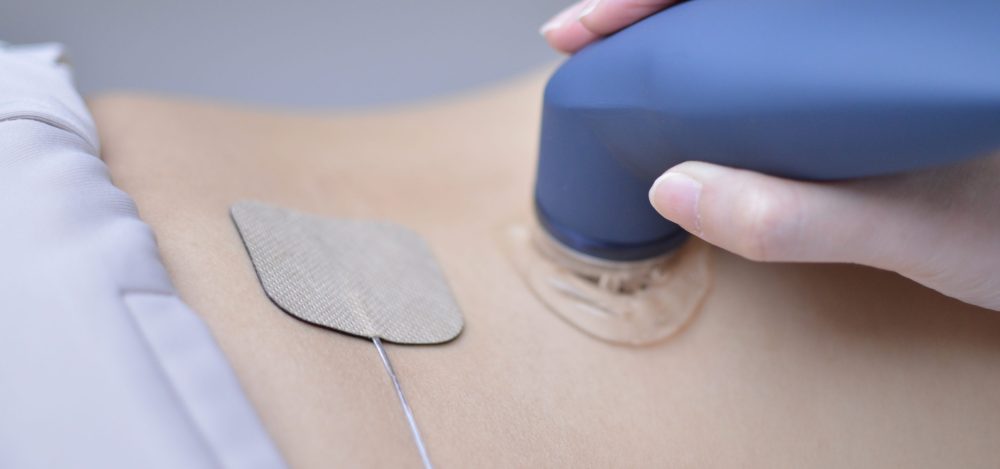

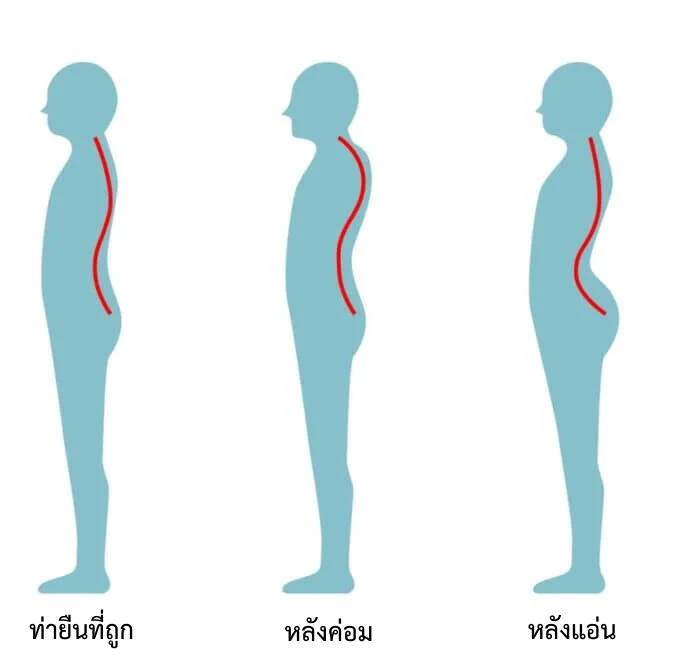
Many people assume that a hunched back is simply a matter of poor posture or personality. In reality, it can indicate an imbalance in muscles and spinal structure, which may affect long-term health.
In today’s lifestyle—where people spend hours sitting at computers, using smartphones, or looking down at screens—this issue has become increasingly common. If left unaddressed, it may lead to chronic neck and back pain, as well as movement limitations.
Common Symptoms
- Upper back pain or discomfort between the shoulder blades
- Neck and shoulder pain
- Tightness in the chest
- Rounded shoulders and forward head posture
- Fatigue when sitting or standing for long periods
- Slouched appearance and reduced confidence in posture
Causes and Contributing Factors
A hunched back can develop from multiple factors, including:
- Prolonged computer use
- Frequent use of smartphones or tablets
- Weak back muscles
- Tight chest muscles
- Poor sitting or standing posture over time
- Age-related spinal degeneration
When certain muscles become overly tight while others weaken, the body gradually adapts, leading to postural changes and structural imbalance.
How Physical Therapy Can Help
In many cases, a hunched back can be improved through targeted physical therapy and appropriate exercise programs. Treatment focuses on:
- Restoring muscle balance
- Reducing neck and back pain
- Improving posture in daily activities
- Strengthening supporting muscles
A physical therapy program may include:
- Manual Therapy
To release tight muscles, particularly in the chest, neck, and shoulders - Stretching Exercises
To improve flexibility in tight muscle groups, especially the chest and front shoulders - Strengthening Exercises
To build strength in the back and scapular muscles, helping realign posture - Posture Training
To correct sitting, standing, and workstation habits - Movement Re-education
To retrain the body for more balanced and efficient movement patterns
Early Care Makes a Difference
Many people begin to notice early signs such as:
- Frequent upper back pain
- Rounded shoulders when standing or walking
- Increased slouching
- Discomfort after short periods of sitting
- A hunched appearance in photos
Addressing these signs early can help correct posture, relieve pain, and prevent long-term structural problems.
Personalized Care at P.S. Center
At P.S. Center, our physical therapists perform a comprehensive assessment of your body structure, muscle condition, and movement patterns to identify the root cause of the problem.
We then design a personalized rehabilitation program tailored to your specific needs—so treatment goes beyond pain relief, helping you regain confidence in how you stand, move, and live.