The Art of Choosing the Right Treatment
It’s not about using the most advanced equipment — but choosing what’s truly right for you.
When patients walk into a physical therapy room, one of the most common questions we hear is:
“What equipment do you use?”
“Is this machine the best?”
But in reality, the heart of effective treatment does not lie in the most expensive or high-tech equipment.
It lies in choosing the right treatment approach — one that truly matches each individual’s body and lifestyle.
Every Body Is Different
No two bodies are the same.
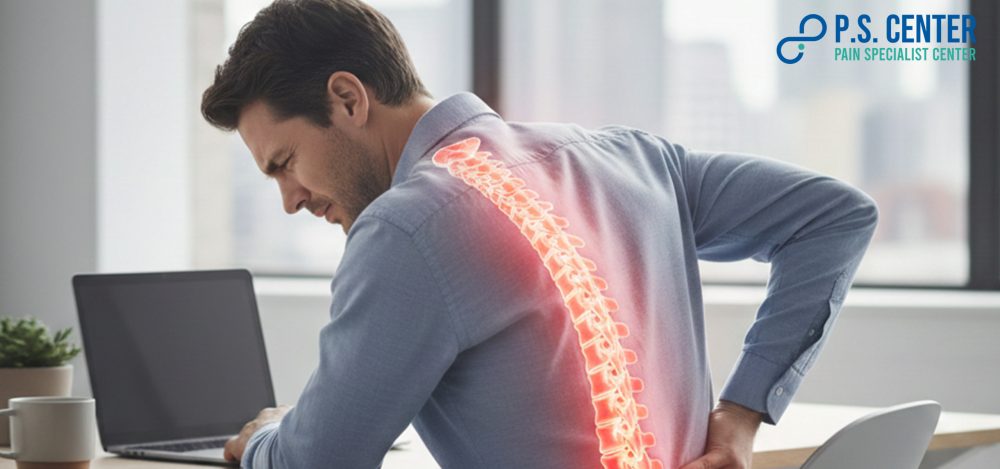
Even when patients experience similar symptoms — such as back pain, neck pain, or shoulder pain — the underlying causes can be completely different.
Some pain may result from:
Joint stiffness or muscle tightness
Muscle weakness or movement imbalance
Prolonged sitting, repetitive movements, or poor posture
Because of this, treatment should never be one-size-fits-all.
Personalized Physical Therapy: Treating the Root Cause
A skilled physical therapist looks beyond the symptoms.
The goal is to analyze deeply and identify the true source of the problem, then design a personalized treatment plan that aligns with each patient’s physical condition and personal goals.
Effective treatment begins with attention to detail.
Rather than focusing only on the painful area, therapists consider multiple factors, including:
Daily lifestyle habits
Work demands and environment
Sitting, standing, and walking posture
The activities and quality of life the patient wants to regain
A Tailored Approach to Recovery
Based on this comprehensive assessment, treatment may include:
Manual Therapy
Personalized therapeutic exercise programs
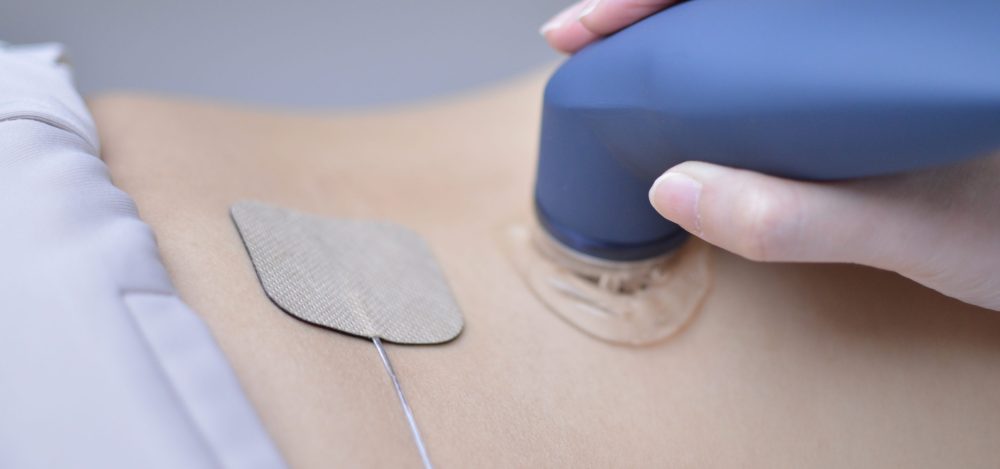
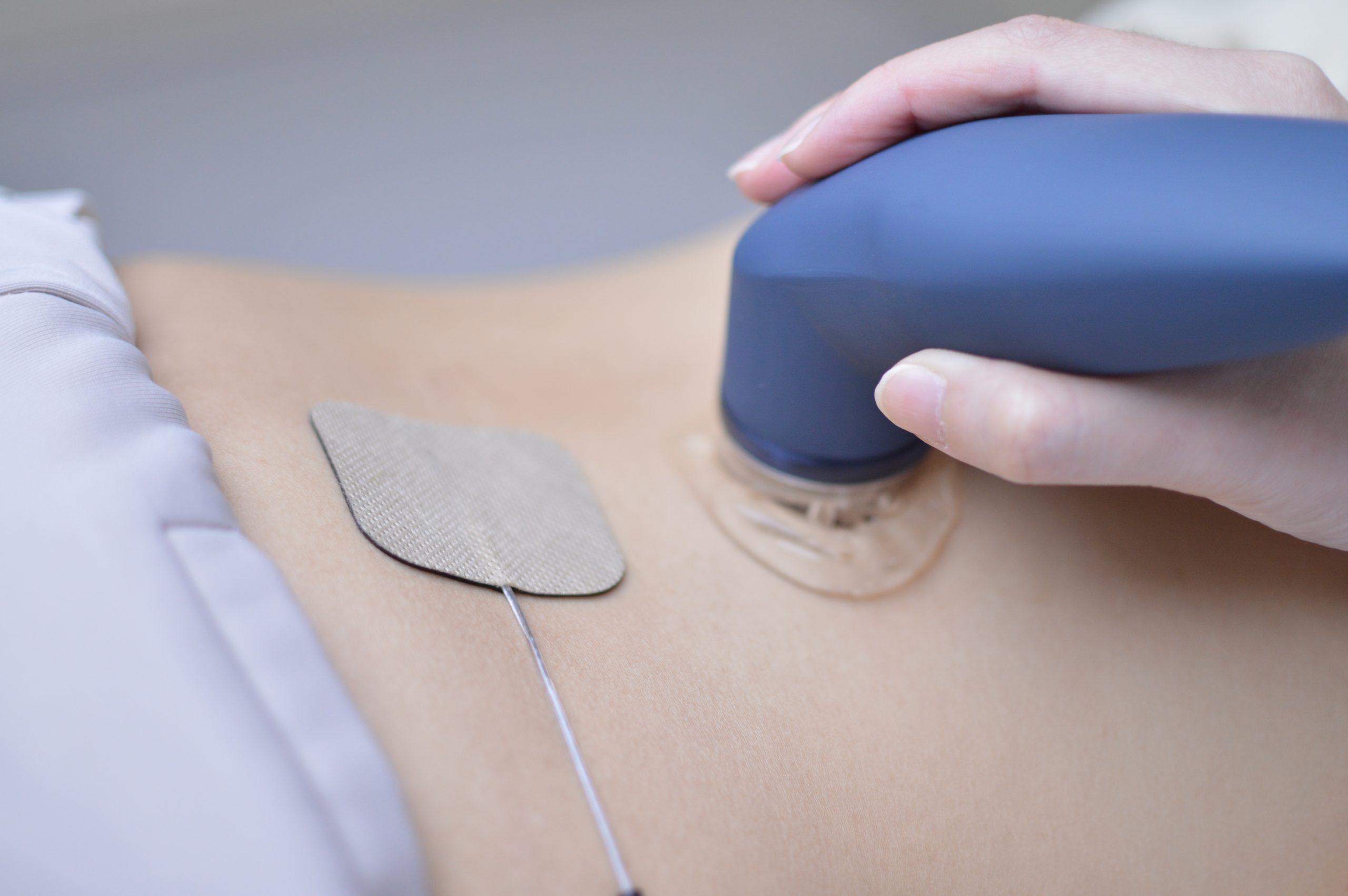
Physical therapy equipment, used to enhance — not replace — hands-on care
Every step shares the same purpose:
to help patients achieve long-lasting pain relief and return to living fully again.
The True Goal of Physical Therapy
Physical therapy is about more than pain relief —
it’s about restoring quality of life.
The most important part of treatment is not the technology itself, but helping patients:
Walk without pain
Sit and work comfortably
Return to exercise and the activities they love
Because in the end,
the best rehabilitation is being able to live life the way you want to again.