Case Introduction
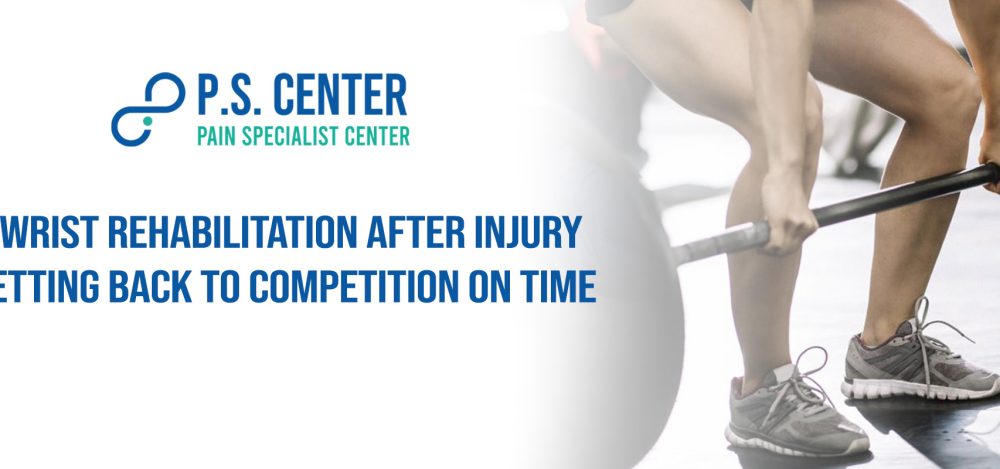
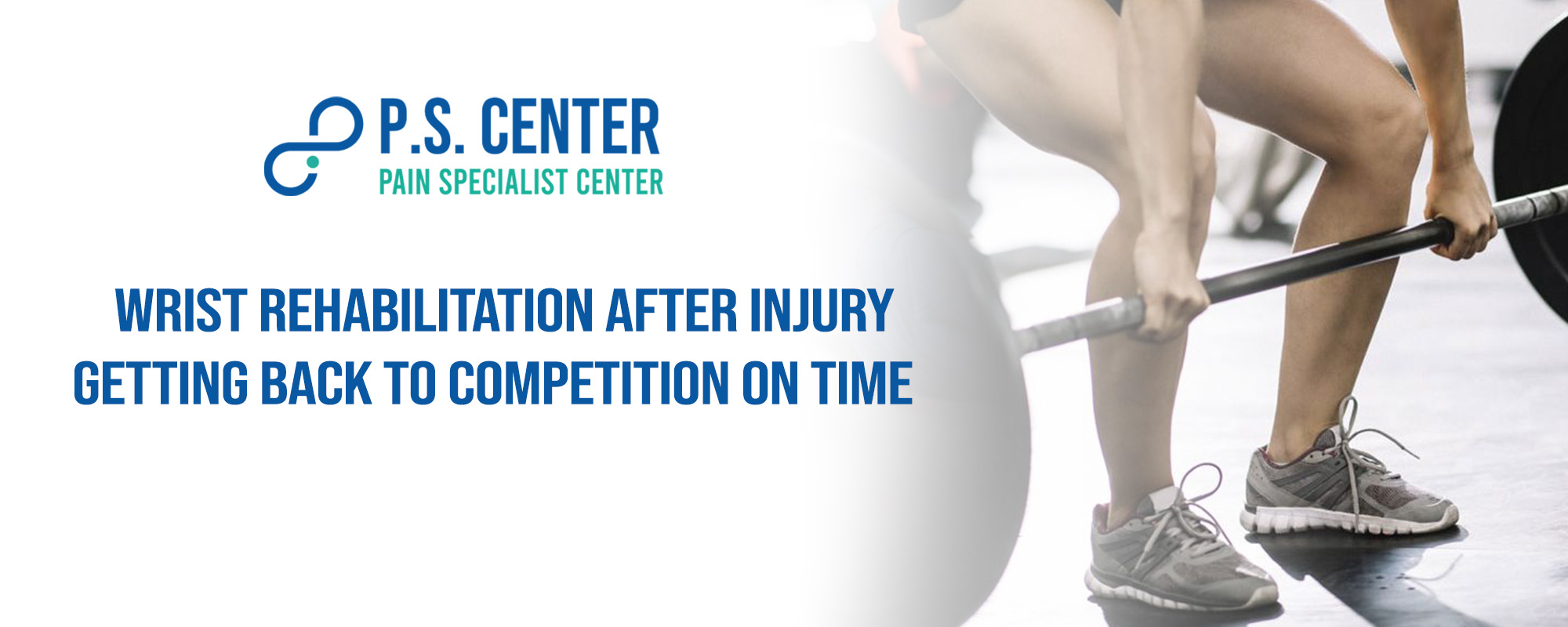
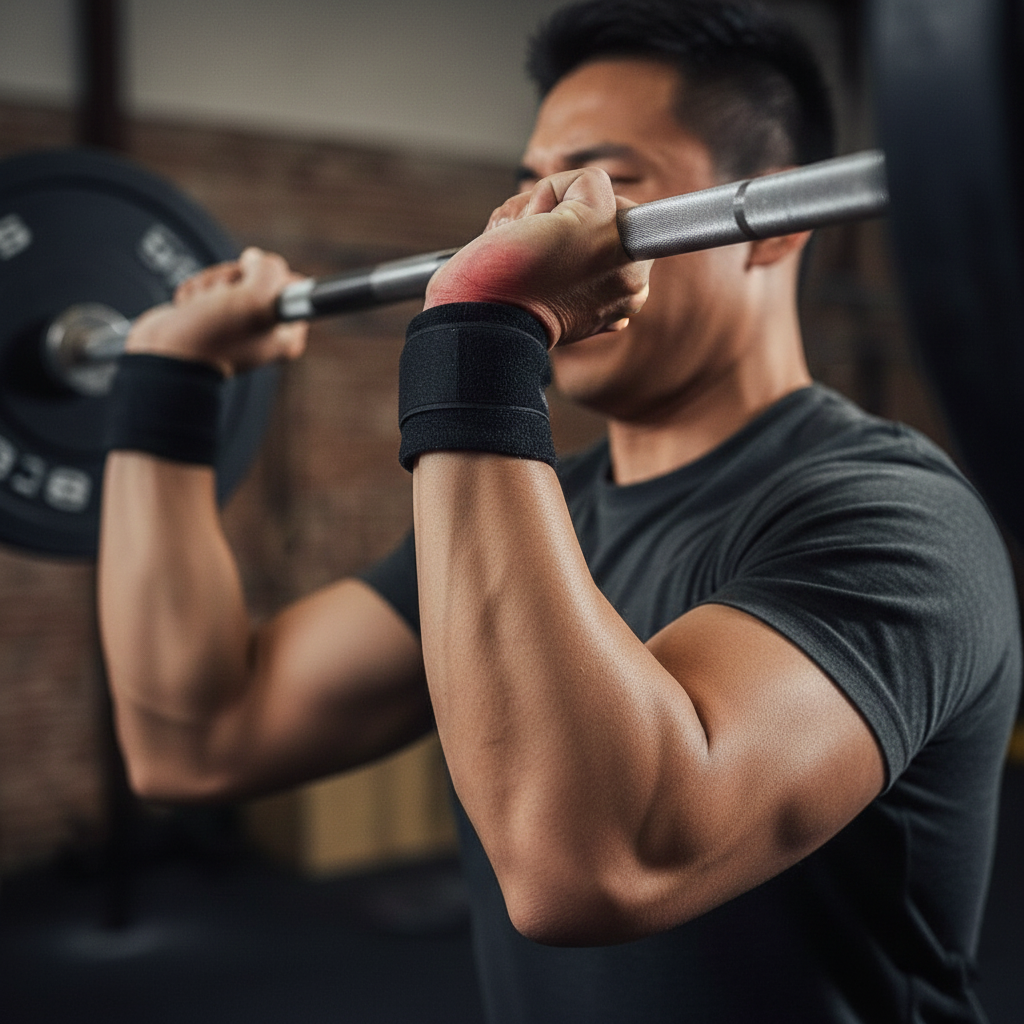
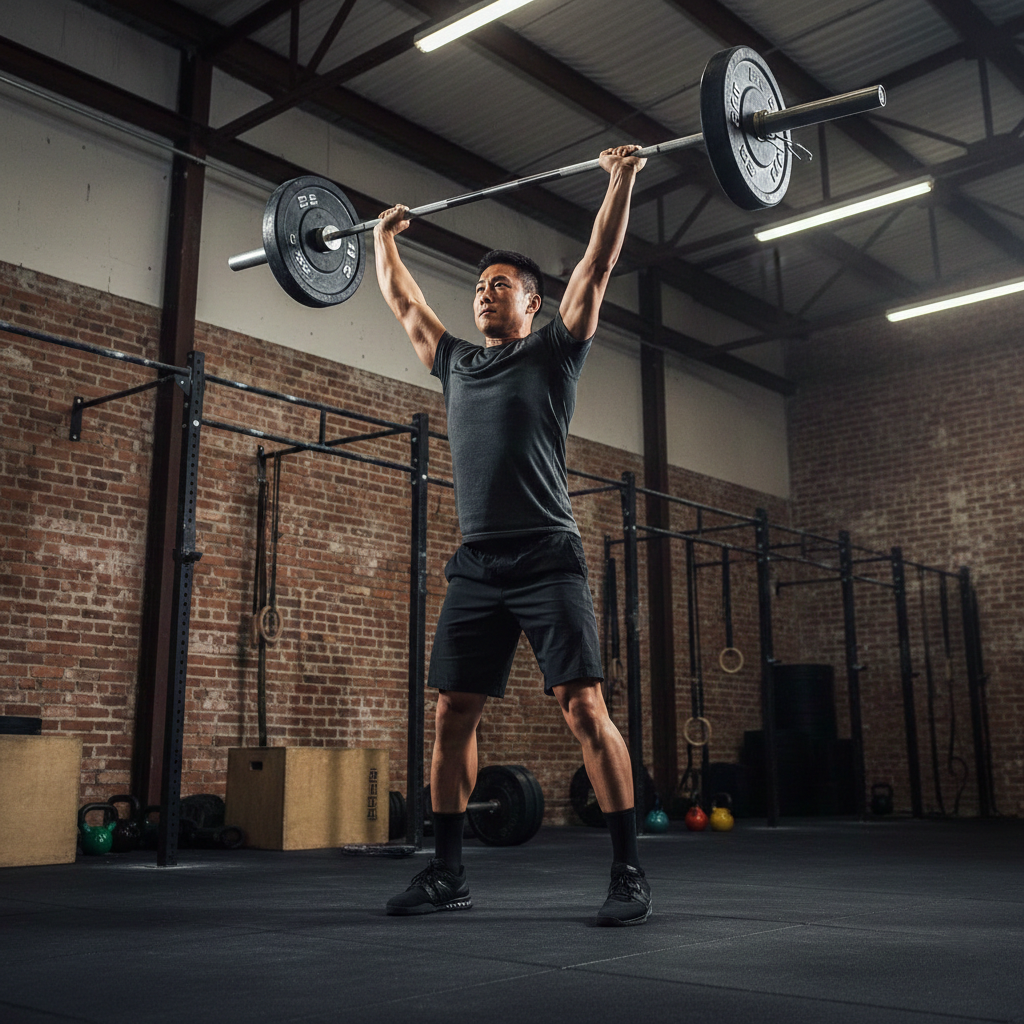
A 29-year-old male Personal Trainer and CrossFit athlete, who trains intensively, suffered a wrist injury one month before his upcoming competition. During a weightlifting session, he accidentally strained his wrist and fingers, resulting in swelling, pain, and limited movement. This prevented him from following his training plan and raised concerns about whether he could recover in time for the event.
Assessment Findings
After a thorough physical therapy assessment, the following issues were identified:
Inflammation of the wrist and finger tendons
Soft tissue swelling
Limited wrist and finger mobility due to the injury
Treatment Plan
The physical therapist worked with the patient to set a clear goal: recover in time for competition.
The rehabilitation program included:
Targeted reduction of inflammation and swelling
Improving range of motion in the wrist and fingers
Strengthening the affected muscles for stable and functional use
Functional retraining to ensure readiness for intense training
Outcome
The patient recovered quickly, returned to full training before the competition, and successfully competed without recurring pain or discomfort.
Physical Therapy: More Than Rehabilitation for Athletes
This CrossFit wrist rehabilitation case demonstrates how targeted and properly guided treatment can restore optimal physical function. However, these benefits are not exclusive to athletes. Many working individuals experience repetitive strain or poor posture that leads to issues such as:
Neck pain from shoulder tension while driving
Low back pain from poor sitting posture or improper lifting
Numbness in the arms caused by muscle compression on nerves
Comprehensive Evaluation and Analysis
At P.S. Center, we begin with evaluating your posture and real-life movement patterns to identify where excessive load or strain occurs. Examples include:
Neck pain from prolonged muscle tension
Back pain from asymmetrical sitting or incorrect lifting
Arm numbness from muscle-related nerve compression
Personalized Rehabilitation Program
After the evaluation, we design a customized rehabilitation plan—similar to the athlete’s case—to match each individual’s needs:
Manual Therapy to relieve muscle tension and restore joint balance
Postural correction and personalized exercise programming
Workplace or daily routine adjustments to reduce repetitive strain
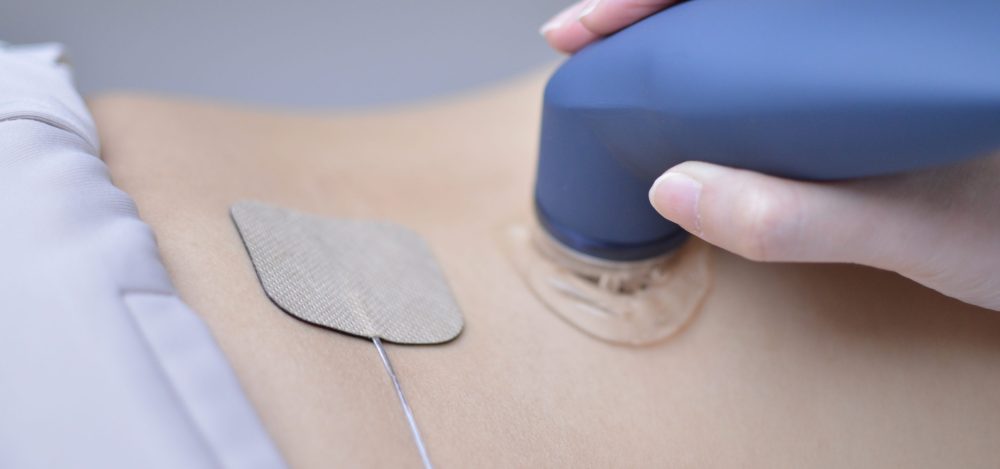
Physical therapy modalities to decrease inflammation and support tissue healing
Summary
Physical therapy is not just about treating pain; it’s about helping your body regain its full capability.
Whether you’re an athlete or someone who sits, stands, or performs repetitive movements daily, a precise assessment and targeted rehabilitation plan can help you return to work, enjoy daily activities, and prevent recurring pain in the future.