
Piriformis Syndrome: More Than a Muscle Problem — A Whole-Body Approach to Recovery
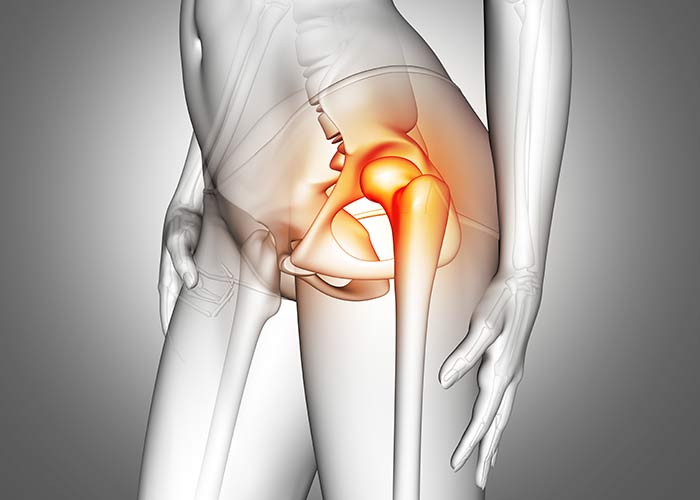
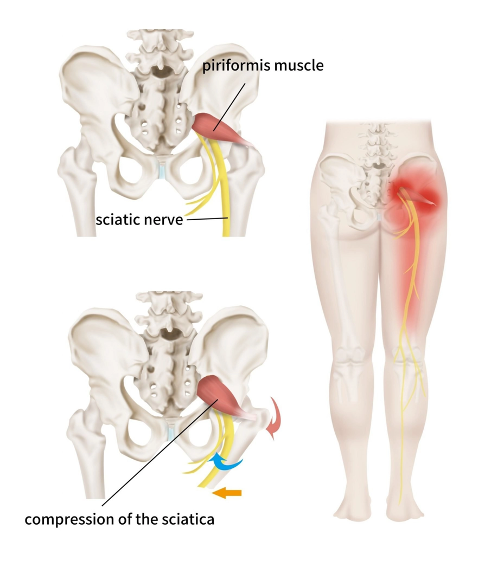
Piriformis Syndrome is a condition in which the piriformis muscle—located deep in the hip—becomes tight, irritated, or inflamed. This muscle lies close to the sciatic nerve, the largest nerve in the body that runs from the lower back through the hips and down the legs.
When the piriformis muscle becomes overly tight or tense, it can compress the sciatic nerve, leading to pain, numbness, or radiating discomfort down the leg.
Common Symptoms
- Deep pain in the buttock or hip
- Radiating pain down the back of the thigh or leg
- Numbness or tingling sensations in the leg
- Increased pain when sitting for long periods
- Pain during walking, running, or climbing stairs
- Tightness in the hip and gluteal area
These symptoms can closely resemble those of a herniated disc, which often leads to confusion and misdirected treatment.
Causes and Contributing Factors
Piriformis Syndrome can be triggered by multiple factors, including:
- Prolonged sitting (e.g., desk work)
- Intense exercise without proper stretching
- Tight or imbalanced hip muscles
- Repetitive hip movements (running, cycling)
- Injury from falls or accidents
- Poor posture while sitting or walking
Over time, excessive strain on the hip muscles can lead to accumulated tension, resulting in nerve compression and radiating pain.
A Targeted Solution: PS Smart Body Scan + Physical Therapy
Identify the root cause. Restore balance. Recover effectively—all in one program.
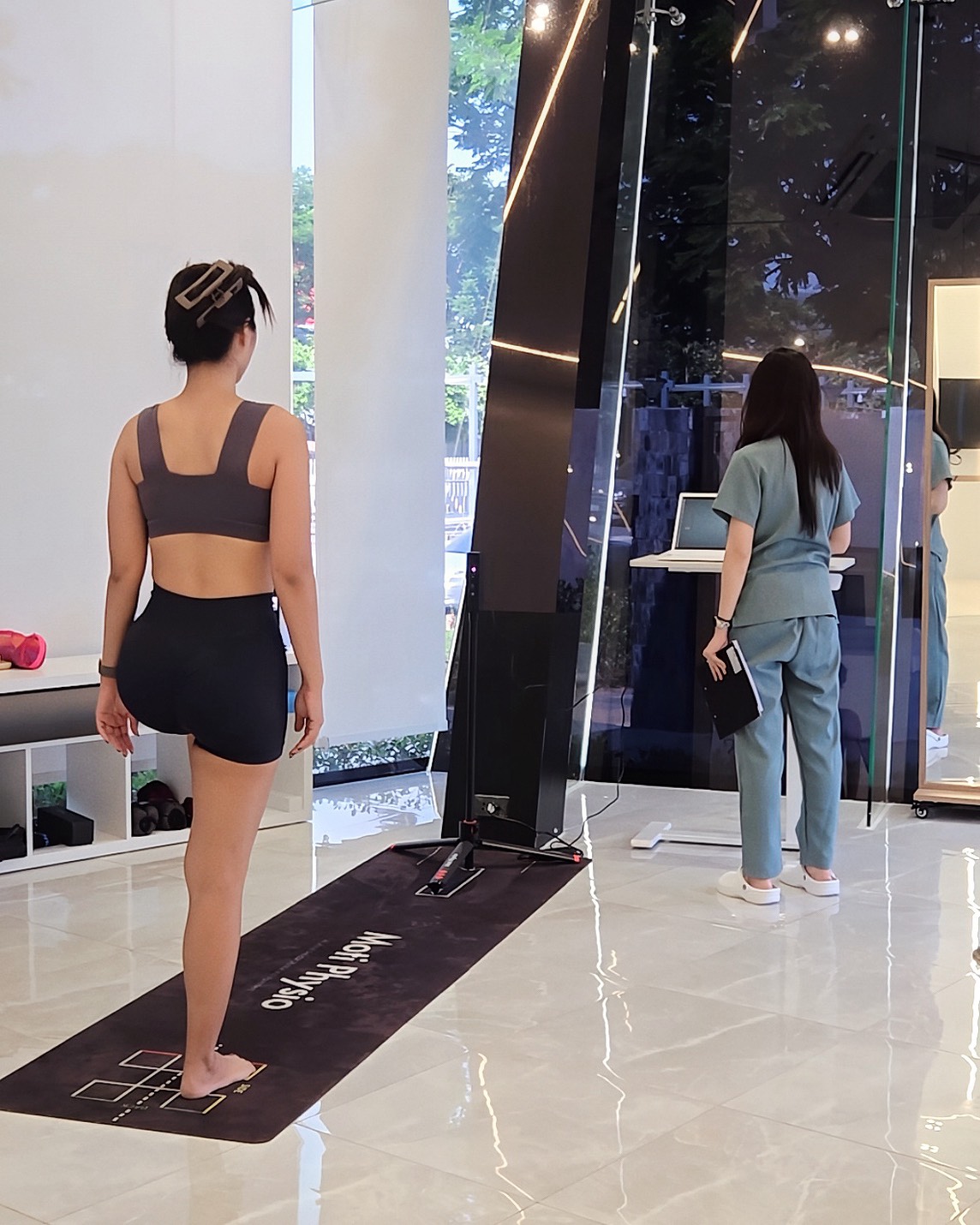
🔍 PS Smart Body Scan (Accurate Root Cause Analysis)
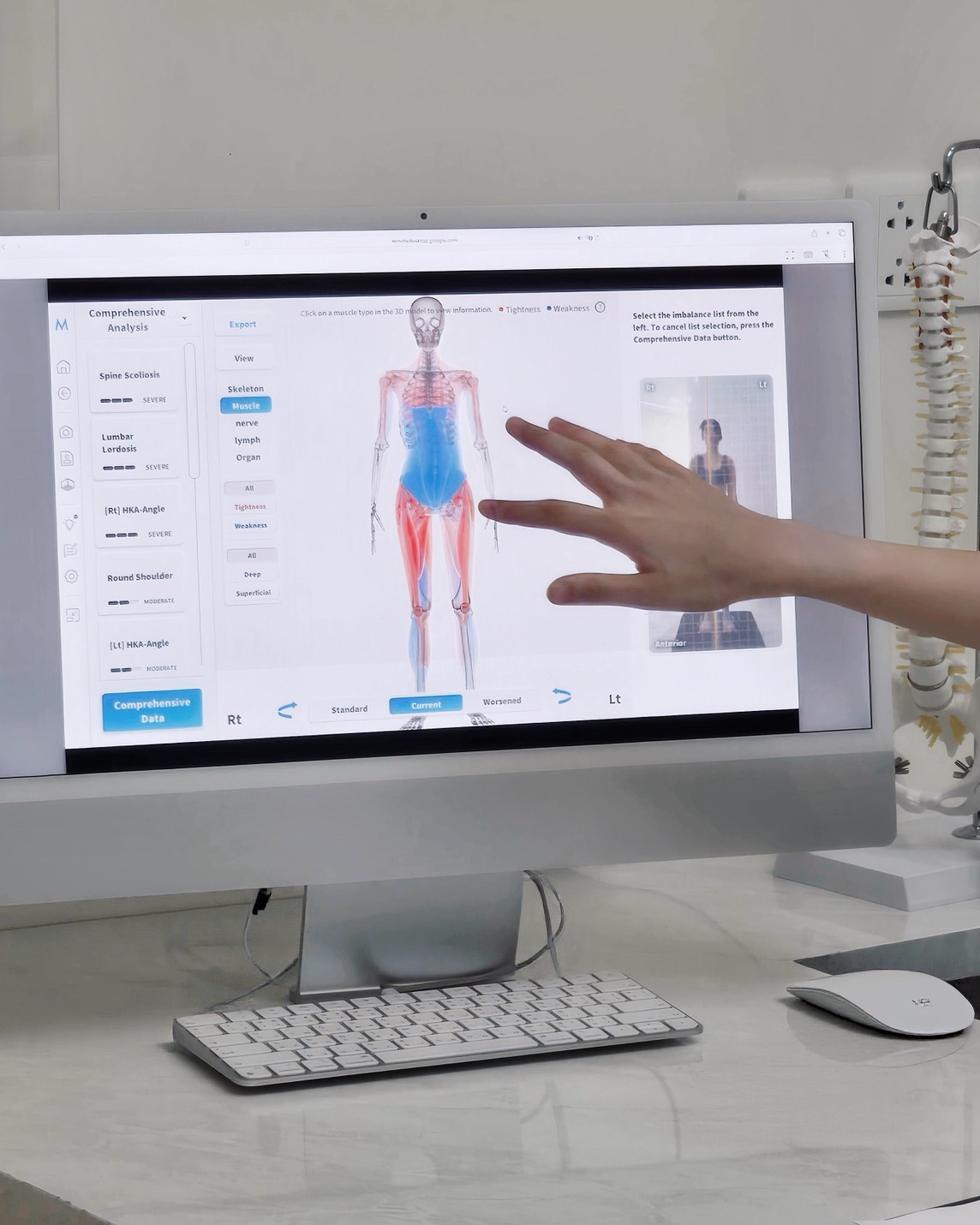
- 3D analysis of skeletal alignment and muscle balance
- 100% safe, radiation-free
- Powered by AI and assessed by physical therapists
- Instantly identifies structural and muscular imbalances
What the scan reveals:
- Deviations in joint and skeletal alignment
- Overactive (tight) or underactive (weak) muscles
- Overall body balance and movement patterns
This helps answer a key question:
What is truly causing your Piriformis Syndrome?
For example, it may be due to pelvic misalignment, weak core muscles, or compensatory movement patterns.
🤍 Physical Therapy (Personalized Rehabilitation)
- Detailed assessment of structure and movement
- Manual Therapy to release tight muscles and relieve nerve compression
- Ultrasound Therapy to reduce inflammation and promote healing
- Electrical Stimulation to relieve pain and muscle tension
- Exercise & Movement Therapy tailored to correct the root cause
- Posture and movement correction for daily activities
Why Combine PS Smart Body Scan + Physical Therapy?
Because Piriformis Syndrome is rarely caused by a single issue—it is often the result of whole-body imbalance.
Effective treatment requires:
- Accurate identification of the root cause
- Targeted, personalized rehabilitation
- Prevention of recurrence
When Should You Start Treatment?
- Deep, one-sided buttock pain
- Radiating pain when sitting for long periods
- Hip tightness when standing or walking
- Recurring hip pain during exercise
- Increased pain during long car rides
👉 Early intervention can significantly speed up recovery and help you return to normal activities faster.
Prevention Starts Before Pain
PS Smart Body Scan is also ideal for those who want to:
- Better understand their body
- Prevent injuries before they occur
- Improve long-term body balance
Benefits:
- Prevent pain before it starts
- Reduce the risk of musculoskeletal issues
- Track physical progress with clear, measurable data
Summary
At P.S. Center, we understand that hip pain or radiating leg pain is not always caused by a single issue.
By combining PS Smart Body Scan with personalized physical therapy, we assess body structure, movement, and muscle balance to create a tailored treatment plan.
This approach not only relieves pain but restores confident, natural movement—helping you get back to living your life fully.