
What Causes Back Pain Radiating Down the Leg?
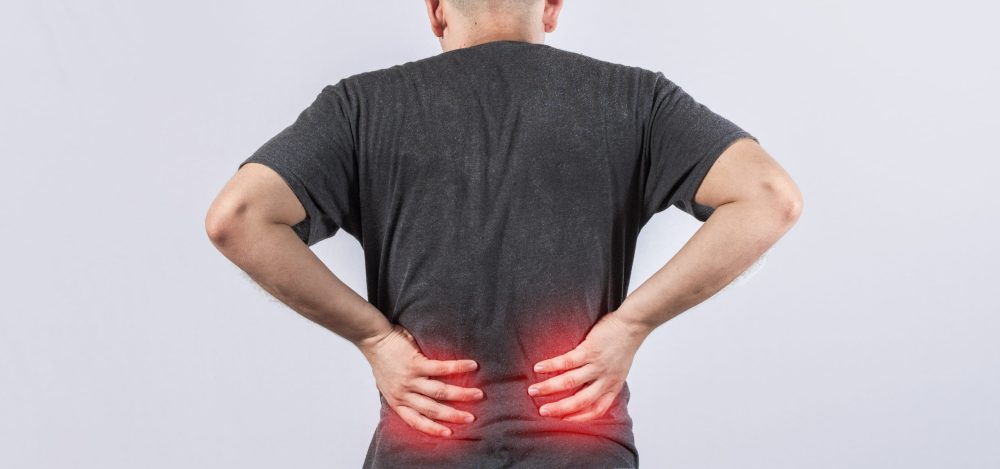
Back pain that radiates down the leg is a common condition found in working-age adults and older adults, especially those who need to sit for long periods, lift heavy objects, or have repetitive body movements. This condition is not simply ordinary back pain, but may be a sign of problems related to intervertebral discs, nerves, muscles, or abnormal movement patterns. If left untreated for a long time, it may affect walking, balance, and daily activities.
Main Causes of Back Pain Radiating Down the Leg
1. Degeneration or Herniation of the Intervertebral Disc Causing Nerve Compression
When the intervertebral disc degenerates or shifts out of position, it may compress the nerves, causing radiating pain from the lower back to the buttocks, thighs, calves, or feet. Some individuals may also experience numbness or muscle weakness.
2. Nerve Compression
Degeneration of the spine, bone spurs, or inflammation of surrounding tissues may cause nerve compression, resulting in radiating pain down the leg, numbness, or a sharp electric shock-like sensation.
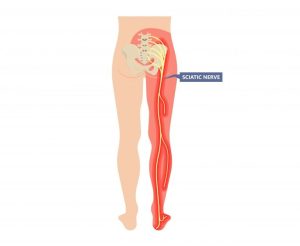
3. Sciatic Nerve Irritation
When the sciatic nerve is compressed or irritated, it may cause pain radiating from the lower back down to the buttocks, thighs, calves, and feet.
4. Tightness or Weakness of the Back and Hip Muscles
Imbalanced function of the back muscles, hip muscles, or core muscles may cause excessive muscle tension and inflammation, which can also result in radiating pain down the leg caused by muscular problems.
5. Abnormal Movement Patterns and Posture
Prolonged sitting, improper lifting techniques, or repetitive movements may contribute to the development of chronic back pain and pain radiating down the leg.
What Is the Difference Between General Back Pain and Back Pain Radiating Down the Leg?
Mechanical Low Back Pain
Usually caused by excessive use of muscles or joints.
Symptoms
- Pain in the back or lower back area, which may sometimes radiate down the leg
- Feeling of muscle tightness or soreness
- Symptoms often improve with rest, changing positions, or applying heat and cold therapy
- No numbness or weakness
Radicular Pain / Sciatica
Usually related to nerve compression or nerve irritation.
Symptoms
- Pain radiating from the lower back down to the buttocks, thighs, calves, or feet
- Sharp pain or an electric shock-like sensation
- May be accompanied by numbness, tingling, burning sensation, or muscle weakness
- Symptoms may become worse when sitting for a long time, coughing, sneezing, or bending forward
If back pain is accompanied by numbness or weakness, it should be evaluated to identify the actual cause.
Physiotherapy Treatment for Back Pain Radiating Down the Leg at PS Center Physiotherapy
At PS Center, we focus on identifying the causes of back pain radiating down the leg, not only relieving pain, because this condition can result from multiple factors.
A physiotherapist will perform a detailed physical assessment to analyze the factors contributing to the symptoms before designing an individualized rehabilitation program to reduce pain, restore movement, and reduce the chance of recurrence.
Assessment Process by a Physiotherapist
1. Detailed History Taking
A physiotherapist will ask for information to support the physical assessment, such as:
- Characteristics of the pain
- Location of pain and the pattern of pain radiation
- Activities that increase or decrease symptoms
2. Physical and Movement Assessment
A physiotherapist will perform a detailed assessment, including:
- Range of motion of the spine and hip
- Muscle strength and flexibility
- Nervous system function
- Gait Analysis
- Balance Assessment
- Movement Analysis
To identify the actual cause of the symptoms and develop an appropriate treatment plan.
3. Individualized Rehabilitation Planning
After the assessment, a physiotherapist will design an appropriate treatment program for each individual, considering the cause of symptoms, severity level, type of work, and lifestyle patterns.
Physiotherapy Treatment Approaches for Back Pain Radiating Down the Leg
1. Manual Therapy
A physiotherapist uses specific techniques to restore movement of joints and tissues, such as Joint Mobilization, Soft Tissue Release, or Lymphatic Drainage, to reduce pain and improve movement.
2. Ultrasound Therapy
Helps stimulate blood circulation in tissues, reduce inflammation, and promote the body’s recovery process.
3. Electrical Stimulation
Helps reduce pain and stimulate or decrease muscle activity depending on the treatment technique.
4. Combined Ultrasound & Electrical Stimulation Therapy
Helps reduce inflammation, stimulate tissue repair, and support effective recovery.
5. Individualized Exercise Program
A physiotherapist will design an exercise program suitable for each individual to:
- Increase muscle strength and flexibility
- Restore movement
- Develop proprioception
- Reduce the chance of future injuries
6. Thermal Therapy
Heat therapy: Helps relax muscles and increase blood circulation.
Cold therapy: Helps reduce swelling and inflammation during the acute phase.
7. Kinesio Tape Application
Helps support structures, stimulate or reduce muscle activity, and allows individuals to perform activities with more confidence.
8. Education & Ergonomic Advice
A physiotherapist will provide advice regarding:
- Proper sitting and standing posture
- Correct lifting techniques
- Workstation setup
- Appropriate exercises
To reduce pressure on the spine and prevent recurrence.
Highlights of Treatment at P.S. Center
- Detailed assessment by a physiotherapist to identify the cause of symptoms, not only the location of pain
- Analysis of movement patterns (Movement Analysis), including walking, sitting, standing, and daily body usage, to identify factors contributing to pain
- Design of an individualized physiotherapy and exercise program (Personalized Rehabilitation Program) suitable for each person’s symptoms and goals
- Use of modern physiotherapy equipment to support rehabilitation when appropriate
- Rehabilitation of muscle strength, including the core muscles, back muscles, hip muscles, and leg muscles, to help reduce pressure on the spine and reduce the chance of recurrence
- Advice on behavior modification, posture adjustment, and exercise to help individuals return to daily activities and work with confidence
Targeted Rehabilitation for Back Pain Radiating Down the Leg with Physiotherapy
Back pain radiating down the leg can occur due to various causes, including intervertebral discs, nerves, muscles, or abnormal movement patterns. Effective treatment should begin with identifying the root cause of the problem and systematically restoring body function.
At PS Center, physiotherapists will perform a detailed assessment, analyze movement patterns, and design an individualized treatment program to help you return to walking, sitting, working, and daily activities with confidence, while reducing the chance of recurrence in the long term.