
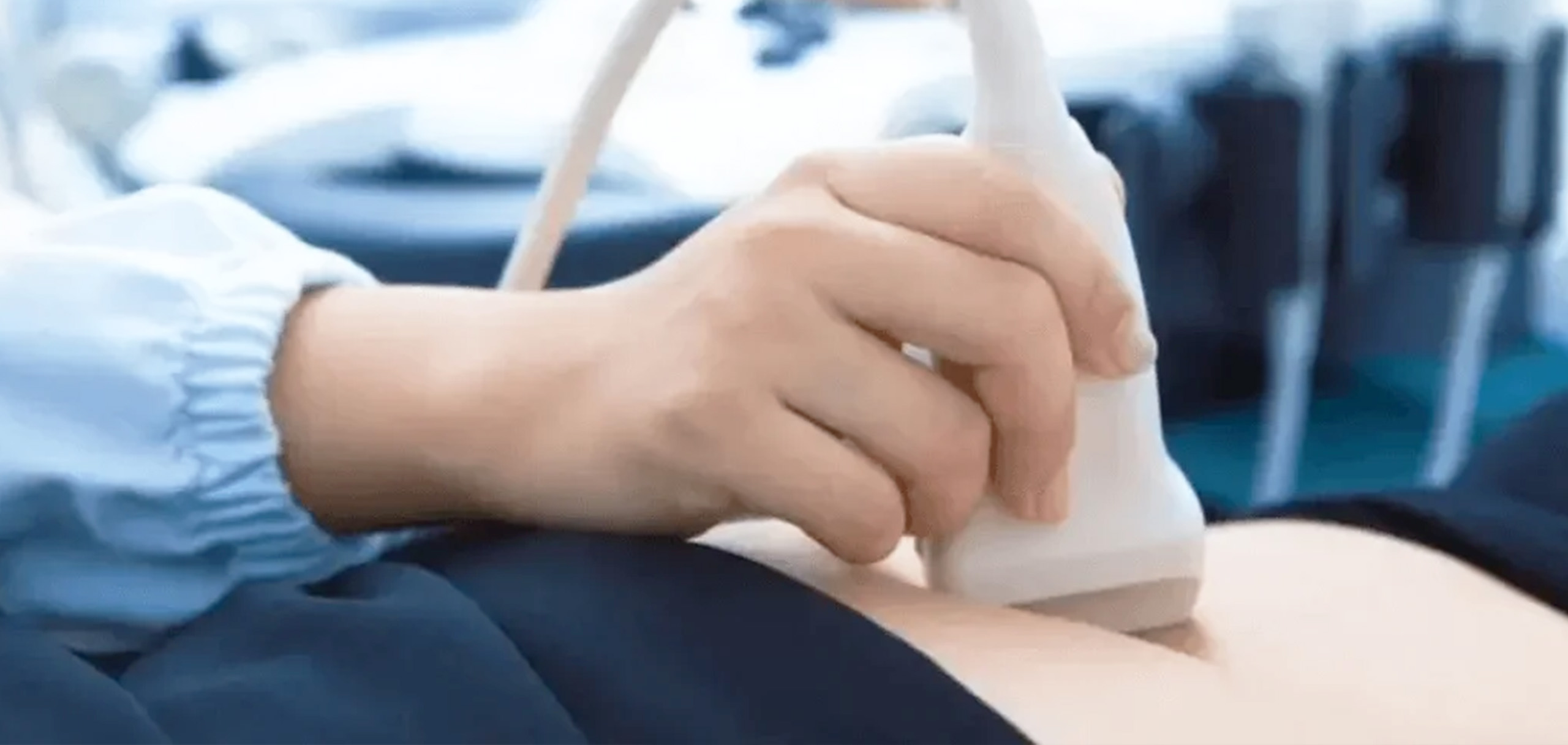
PS DeepView Ultrasound (Rehabilitative Ultrasound Imaging: RUSI)
Real-Time Imaging Technology for More Detailed Assessment and Personalized Rehabilitation Planning
Assessing pain and movement problems involves more than taking a medical history and performing a physical examination. Understanding what happens inside the body during movement provides valuable insights into the underlying cause of the problem and helps guide a more targeted rehabilitation plan.
At PS Center Physiotherapy, we use PS DeepView Ultrasound (Rehabilitative Ultrasound Imaging: RUSI) to assess the structure and function of the musculoskeletal system, including muscles, tendons, joints, and other soft tissues involved in movement. This technology supports physiotherapy assessment, rehabilitation planning, and monitoring of treatment progress.
What is PS DeepView Ultrasound (Rehabilitative Ultrasound Imaging: RUSI)?
PS DeepView Ultrasound is an ultrasound assessment technology that uses high-frequency sound waves to produce real-time images of internal body structures without using radiation. It allows physiotherapists to assess the musculoskeletal system and soft tissues related to movement in detail, both at rest and during movement (dynamic assessment).
This technology helps improve the understanding of internal structures and movement patterns. It can also be used as a biofeedback tool for Movement Retraining, Core Muscle Training, Pelvic Floor Muscle Training, and for monitoring progress throughout the rehabilitation process.
What Structures Can PS DeepView Ultrasound Assess?
PS DeepView Ultrasound can assess various structures involved in movement, including:
- Muscles
Assessment of muscle structure, function, and changes during movement. - Tendons & Ligaments
Assessment of tendons, ligaments, and surrounding joint structures, including changes related to injury or overuse. - Soft Tissue & Fascia
Assessment of soft tissues and fascia involved in movement. - Joint-Related Structures
Including the joint capsule, joint fluid, and surrounding soft tissues. - Joint & Articular Structures
Assessment of selected joint and articular structures. - Core & Pelvic Floor Muscles
Assessment of muscle activation, relaxation, and movement control.
The ability to assess specific structures depends on the anatomical location, tissue type, and the inherent limitations of ultrasound imaging.
Who Can Benefit from PS DeepView Ultrasound?
PS DeepView Ultrasound is suitable for individuals who want a better understanding of the cause of their symptoms and how their body functions, including those who:
- Experience muscle or joint pain, or movement limitations
- Have sports, exercise, or repetitive strain injuries
- Need assessment of muscles, tendons, or other soft tissues related to their symptoms
- Want to monitor muscle function during rehabilitation
- Are pregnant or postpartum, or have Diastasis Recti, core muscle dysfunction, or pelvic floor dysfunction
Conditions That May Be Assessed with PS DeepView Ultrasound
- Muscle Strain & Muscle Injury
- Tendon Injury, Tendinopathy & Ligament Injury
- Sports & Exercise Injuries
- Joint Pain & Joint-related Conditions
- Soft Tissue Injury & Bursitis
- Muscle Imbalance
- Neck, Shoulder, Low Back & Hip Pain
- Core Muscle Dysfunction
- Pelvic Floor Muscle Dysfunction
- Diastasis Recti & Postpartum Rehabilitation
- Movement-related Disorders
- Post-Surgical Follow-up
The use of PS DeepView Ultrasound depends on the individual’s condition, the area being assessed, and the clinical judgment of the physiotherapist.
Benefits of PS DeepView Ultrasound
1. Real-Time Visualization of Tissue Structure and Function
Allows physiotherapists to assess both the structure and function of the musculoskeletal system at rest and during movement, including muscle contraction, relaxation, and activation during functional activities, providing a clearer understanding of movement patterns.
2. Targeted Assessment of Structures Related to Your Symptoms
Helps evaluate muscles, tendons, ligaments, soft tissues, fascia, and structures surrounding the joints related to your symptoms, providing valuable information to support clinical assessment and rehabilitation planning.
3. Monitor Changes Throughout Rehabilitation
Allows comparison of structural and functional changes over time, helping physiotherapists monitor recovery progress and adjust rehabilitation plans appropriately.
4. Supports Personalized Treatment and Rehabilitation Planning
Used alongside medical history taking, physical examination, and clinical assessment, PS DeepView Ultrasound provides additional information about musculoskeletal structures and movement, helping physiotherapists develop individualized treatment and rehabilitation plans based on each person’s condition and goals.
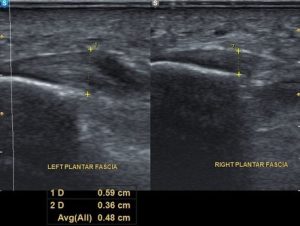
Why Choose PS DeepView Ultrasound at PS Center Physiotherapy?
At PS Center Physiotherapy, PS DeepView Ultrasound is more than an imaging tool—it is an integral part of our comprehensive assessment and rehabilitation approach.
By combining Rehabilitative Ultrasound Imaging (RUSI) with clinical expertise and personalized physiotherapy, we can better understand how your body moves, identify the underlying causes of dysfunction, and design rehabilitation programs that are targeted, evidence-based, and tailored specifically to your needs.
Our goal is not simply to visualize the problem, but to help you move better, recover more effectively, and return to the activities you enjoy with confidence.